
From the Battle of Hastings to the Lord Mayor’s Show, Britain’s past is still very much part of its present and something we love to explore at Tour Britannia. We caught up with Christopher, one of the founders of Tour Britannia, to discover why living history is so special, and where visitors can experience it for themselves this winter.
What exactly is living history, and why is Britain such a wonderful place to experience it?
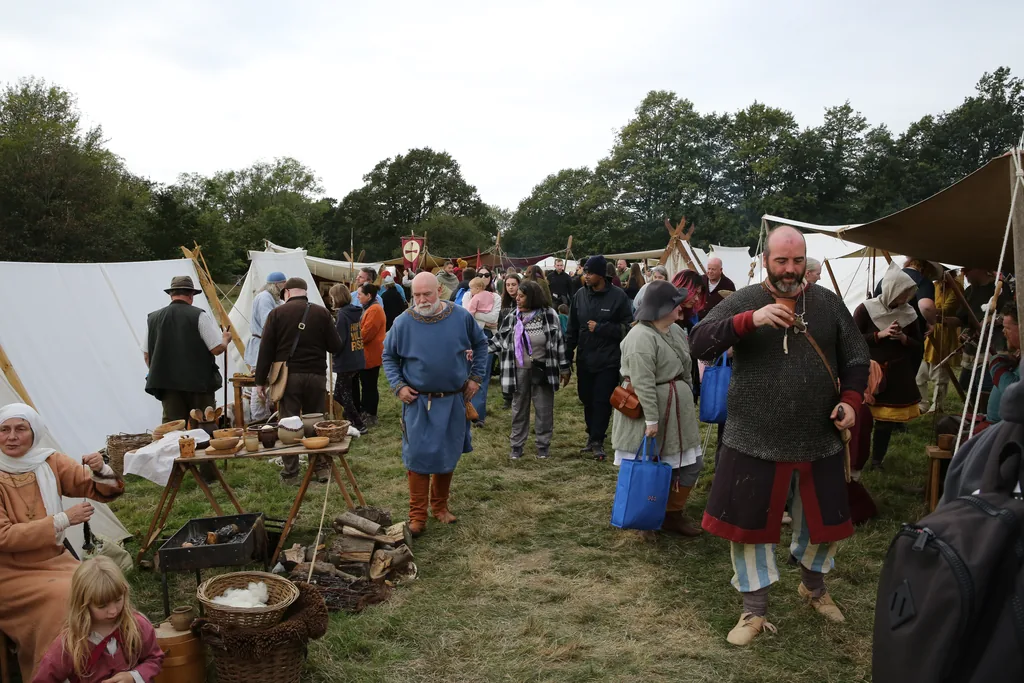
Britain is full of magnificent castles, ancient monuments and historic buildings, but what really brings those places to life are the people, stories and traditions behind them.
Sometimes that means hundreds of re-enactors recreating a medieval battle. Sometimes it’s a ceremony that’s been performed for centuries, a festival celebrating an ancient culture, or a town remembering an extraordinary moment in its past.
And Britain is particularly good at it. Our history isn’t just something we preserve. In many places, we still actively celebrate it.
You’ve recently been to the Battle of Hastings re-enactment. What makes an experience like that special?
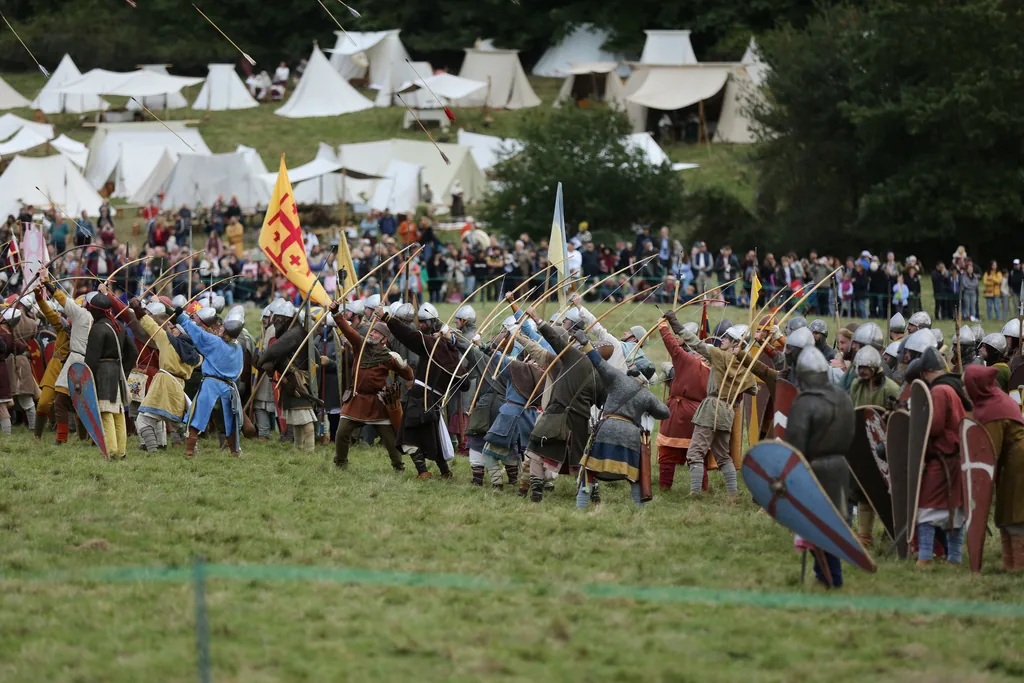
There’s something rather wonderful about standing on the same ground where something momentous took place and imagining it, to try and get a sense of what life was like then.
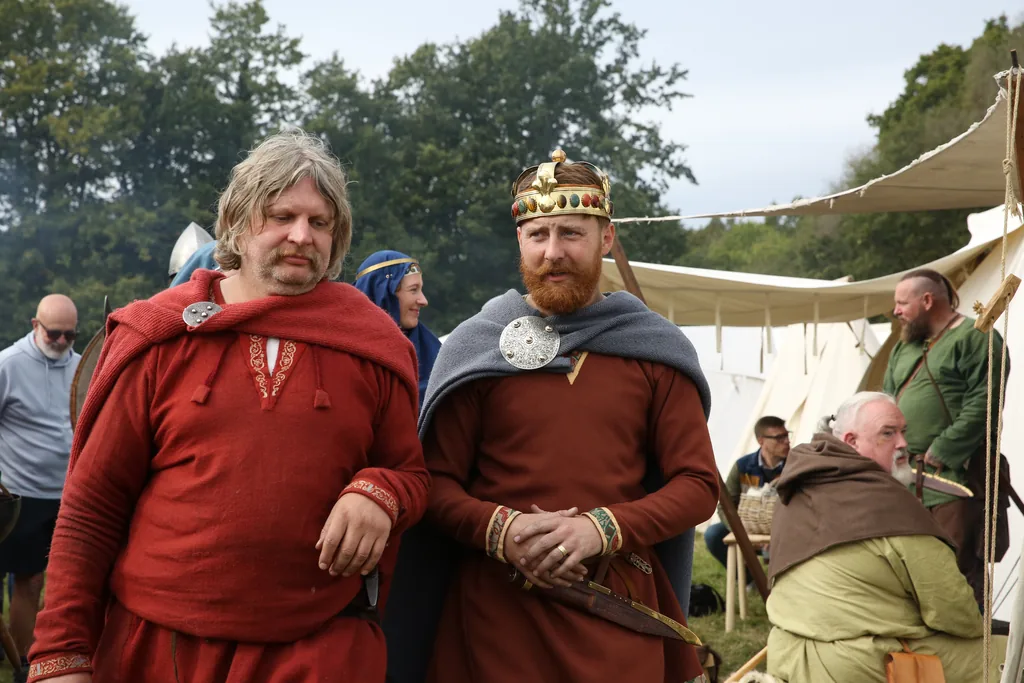
And it’s even more wonderful when the hard work is done for you and history is happening right in front of you, which was what happened back in October when I went with my family to the 960th anniversary of the Battle of Hastings (when William the Conqueror defeated King Harold II and changed the course of English history).
To commemorate it, hundreds of re-enactors gathered at Battle Abbey in East Sussex, on the site of the original battlefield.
What I love about events like this is that they give you a completely different perspective on history. You can read about the Norman Conquest, but standing on the battlefield and watching the story unfold makes you appreciate the human scale of what happened.
And it’s not just the fighting. It’s the living history camps, the craftsmanship, the clothing and the opportunity to discover what everyday life might have been like nearly a thousand years ago.
It’s an entertaining way to learn, and one that tends to stay with you long after you’ve left. Plus the kids loved it.
And you also visited the Lord Mayor’s Show in London. Is that living history too?
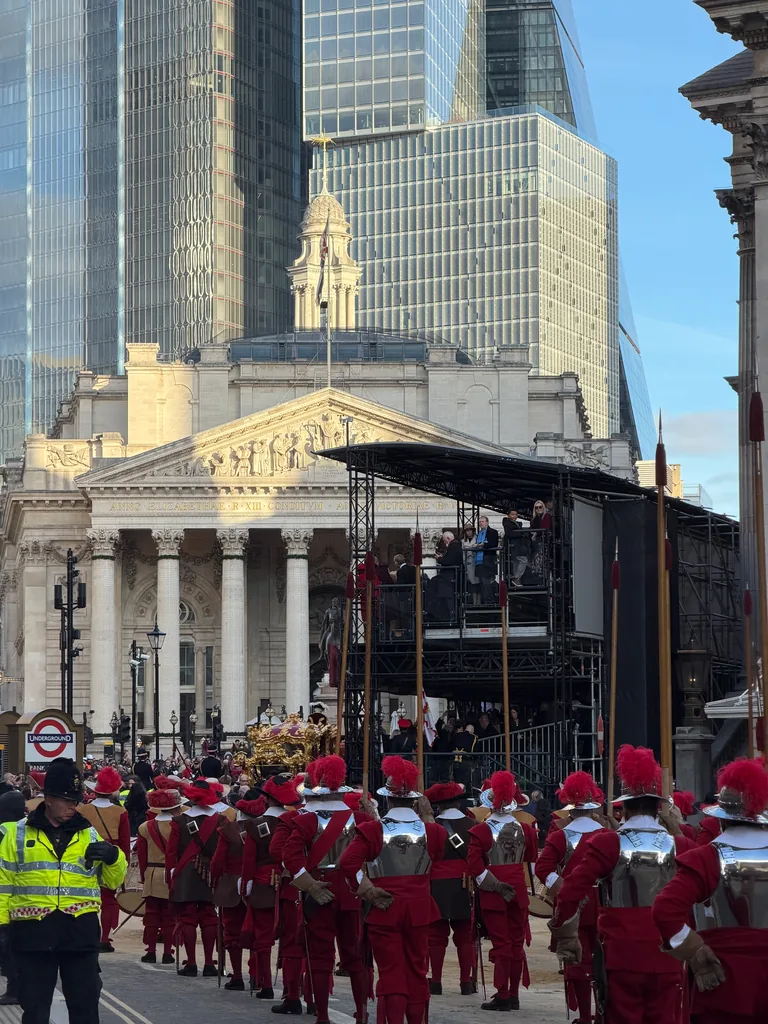
Absolutely. Although it’s a rather different sort of spectacle.
The Lord Mayor’s Show dates back to 1215, when King John granted the City of London the right to elect its own Mayor, on the condition that the newly elected official travelled to Westminster to swear loyalty to the Crown.
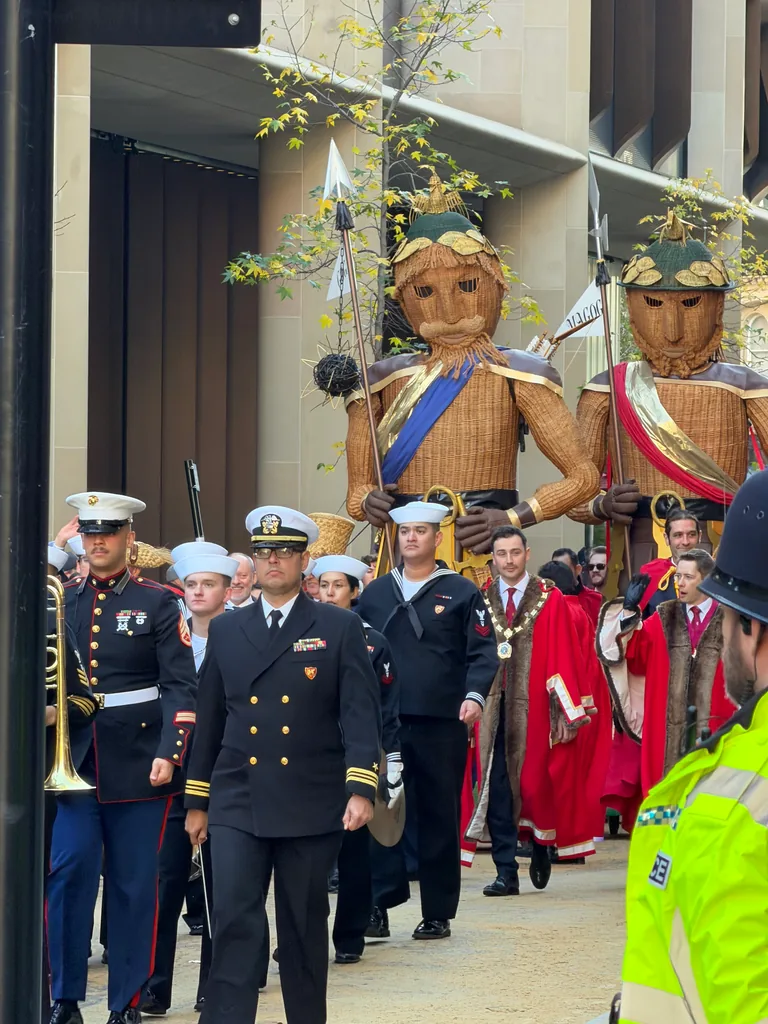
More than 800 years later, the tradition continues, although the journey has become an extraordinary procession of ceremonial carriages, marching bands, military contingents and representatives of the City’s ancient livery companies.
I went along to this year’s show, once again taking my children, and what makes it so fascinating is that it’s not a historical reconstruction. It’s a living ceremony, part of the continuing story of the City of London.
And that’s something people sometimes overlook about Britain. Our history isn’t always hidden behind museum glass. Sometimes it’s marching down the street in front of you. Which, once again, the kids loved!
What historical events and festivals are happening in Britain this winter?
There’s a surprising amount happening over the winter months, and some of the best events are wonderful excuses to explore places you might not otherwise have considered.
Here are six worth knowing about.
1. Where can I experience a traditional Christmas in England?
Christmas Through Time – Avoncroft Museum, Worcestershire | 5, 6, 12 and 13 December 2026
Christmas traditions have changed enormously over the centuries, and Avoncroft Museum of Historic Buildings offers a charming way to explore the past.
Its collection of rescued historic buildings provides the setting for a seasonal journey through old-fashioned Christmas customs, with decorated historic homes and family activities.
It’s a particularly lovely experience for visitors interested in Britain’s domestic and social history, and can be combined with exploring the historic towns and countryside of Worcestershire.
2. Where can I see a historical battle re-enactment in England?
Holly Holy Day and the Battle of Nantwich, Cheshire | 23 January 2027
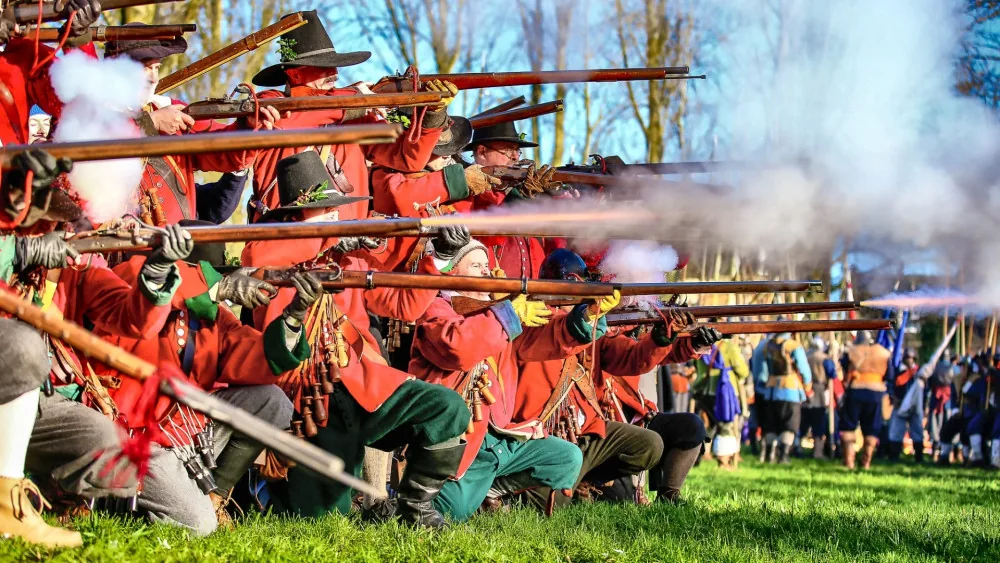
In January 1644, Parliamentary forces defeated a Royalist army besieging the Cheshire town of Nantwich during the English Civil War.
The victory was celebrated by townspeople wearing sprigs of holly in their hats, giving rise to the local tradition of Holly Holy Day.
Today, Nantwich commemorates the battle with historical displays and a dramatic re-enactment.
It’s a fascinating opportunity to experience a chapter of British history that’s sometimes overshadowed by the Tudors and the Normans, and to discover an attractive historic market town in the process.
3. What is Up Helly Aa, and when does it take place?
Up Helly Aa, Lerwick, Shetland | 26 January 2027
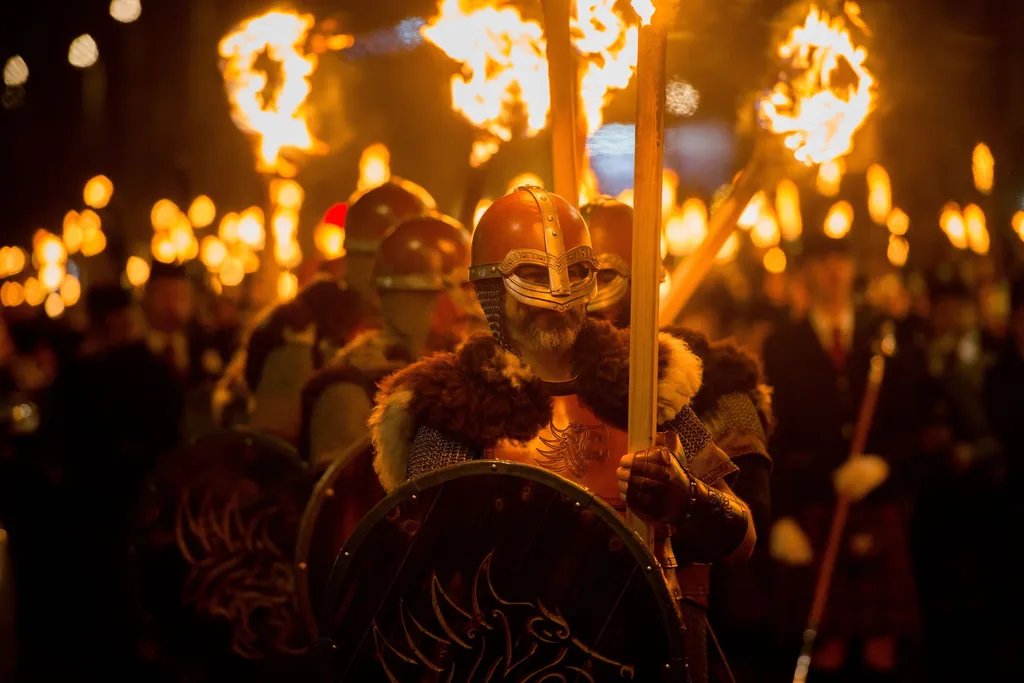
This is one of Britain’s most spectacular winter celebrations.
Every January, Lerwick in the Shetland Islands hosts Up Helly Aa, a remarkable festival featuring elaborate costumes, torchlit processions and the ceremonial burning of a Viking-style galley.
The modern festival developed during the 19th century, drawing inspiration from Shetland’s much older Norse heritage.
It’s not an ancient Viking ceremony that has continued unchanged, but a wonderful example of a community keeping its historical identity alive through a more recent tradition.
And it’s quite a spectacle. Hundreds of burning torches, a magnificent galley and an entire town embracing its Viking connections. Not exactly your average Tuesday evening.
4. Where can I experience Viking history in Britain?
JORVIK Viking Festival, York | 8–14 February 2027
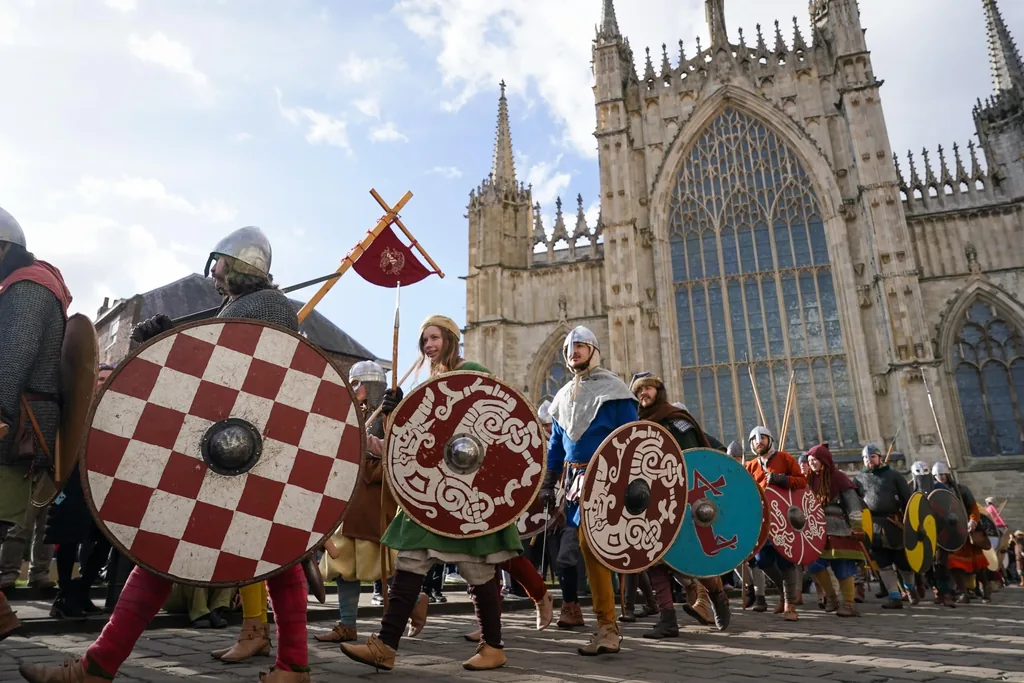
York is one of Britain’s great historic cities, and its Viking past is a particularly fascinating part of its story.
Captured by the Great Heathen Army in 866, the city became the centre of the Viking kingdom of Jórvík, an important trading settlement whose influence can still be discovered today.
Each February, the JORVIK Viking Festival brings that world back to life with historical encampments, crafts, workshops and combat displays.
The 2027 festival has an especially interesting connection to the Battle of Hastings, with events exploring the Viking-led resistance to William the Conqueror.
It’s a wonderful opportunity to explore York’s medieval streets, its magnificent Minster and its remarkable history while the city celebrates its Norse heritage.
5. What happens in Wales on St David’s Day?
St David’s Day, Wales | 1 March 2027
Not all living history involves swords, armour or burning boats.
On 1 March, communities across Wales celebrate St David, the country’s patron saint, whose life dates to the sixth century.
It’s a celebration of Welsh identity and heritage, with traditional music, parades, Welsh food and plenty of daffodils and leeks.
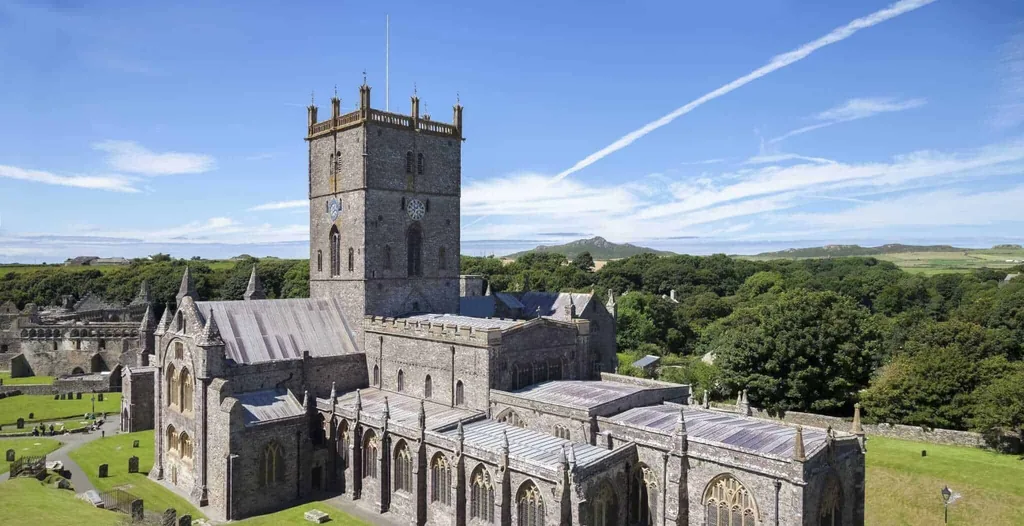
For visitors, it’s a lovely time to explore the country’s distinctive history and culture, whether that’s discovering the castles of South Wales or visiting St Davids in Pembrokeshire, home to the magnificent cathedral associated with the saint.
Sometimes the most interesting historical traditions are the ones that have become part of everyday national life.
6. What Norman history events are happening in England in 2027?
The Year of the Normans | Events and experiences throughout 2027
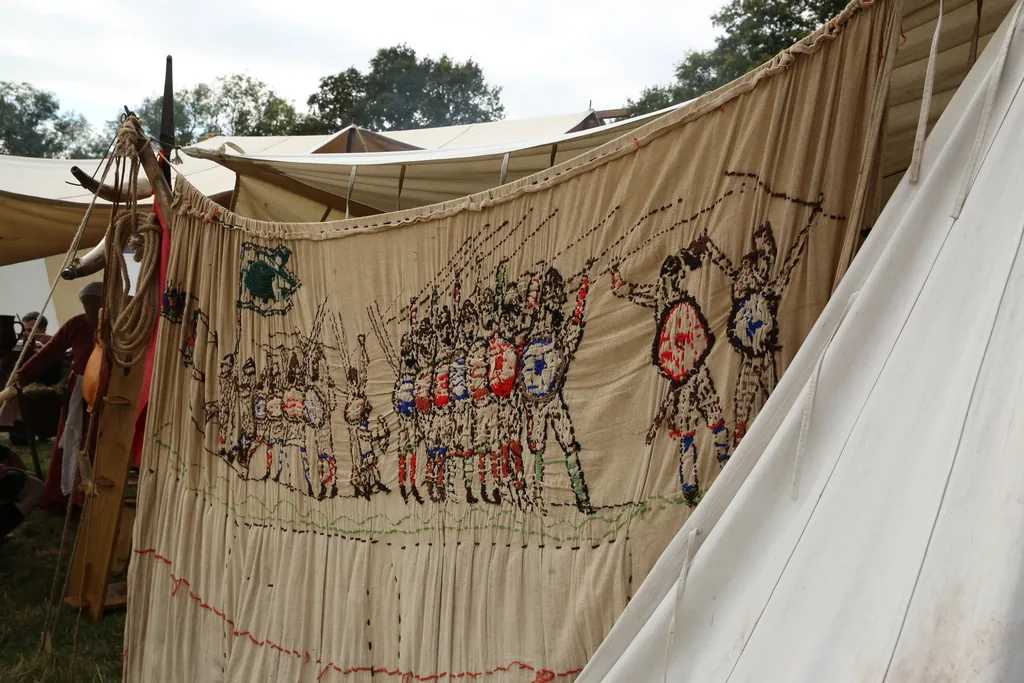
Following the 960th anniversary of the Battle of Hastings in 2026, the story continues in 2027 with commemorations connected to the 1,000th anniversary of William the Conqueror’s birth, traditionally dated to around 1027.
It’s an excellent opportunity to explore the enormous influence the Normans had on England, from the castles they built to the transformation of its government, language and landscape.
For anyone fascinated by 1066, there are countless places to explore, from the battlefield at Battle Abbey and the Norman castles of Sussex and Kent to the mighty Tower of London, built on William’s orders following the Conquest.
It’s a wonderful chance to connect the story of the Battle of Hastings with the lasting influence of the Normans on the country we know today.
Can you plan a private UK tour around these historic festivals and events?
Of course, and I think it’s one of the most enjoyable ways to discover Britain.
An event like the JORVIK Viking Festival can be the starting point for exploring York and the surrounding countryside. A visit to Battle Abbey might inspire a journey through Sussex and its medieval heritage. And London’s extraordinary history can be discovered through the places and traditions that still shape the city today.
That’s very much how we like to approach things at Tour Britannia. We get to know what interests you, then help shape a journey around the places, experiences and stories you’d most enjoy.
Whether you’re fascinated by medieval history, ancient traditions, royal intrigue or simply love a really good story, Britain has an extraordinary amount to offer.
Because history isn’t just something to look back on. Sometimes the best way to discover it is to be there when it comes to life.
Come for the sights. Take home the stories.